Writing academic papers can be challenging, especially when it comes to citing sources correctly. The APA 7th edition is widely used in social sciences, education, and psychology, but many students and early researchers find it tricky. This guide will show you how to format references quickly and accurately, so you can focus more on your research and less on formatting errors.
Why APA 7 Matters
Citing sources consistently is more than just a formatting rule. It reflects your professionalism and attention to detail as a researcher. With the release of APA 7th edition, several updates were made to simplify citation rules and improve clarity.
Before diving into specific formats, it’s helpful to understand why these changes matter and how they affect your writing. APA 7 offers clearer guidance on URLs, DOIs, inclusive language, and even font choices—making your papers more modern and reader-friendly.
Key points to know:
-
Simplified use of URLs and DOIs.
-
More inclusive language recommendations.
-
Minor updates to font and heading formats.
Basic Format for Common Sources
Different types of sources require different formats, and understanding the general rules can save a lot of time. Below, we’ll go through the most common sources you will need to cite in your papers.
1. Books
Books remain one of the most frequently cited sources in academic writing. Knowing the proper order of author, year, title, and publisher ensures your references are accurate.
Format: Author, A. A. (Year). Title of the book. Publisher.
Example:
Smith, J. (2020). Understanding Literacy. Academic Press.
2. Journal Articles
Journal articles often contain the most current research, but their citation format can be confusing with volume numbers, issues, and DOIs. Here’s the correct way to handle them:
Format: Author, A. A. (Year). Title of the article. Title of the Journal, volume(issue), pages. https://doi.org/xxxx
Example:
Johnson, L. (2019). Literacy in the digital age. Journal of Education, 12(3), 45–58. https://doi.org/10.1234/joed.2019.0012
3. Websites
Websites are increasingly common references, but they require careful attention to authorship and publication dates. Not all websites have individual authors, so sometimes the organization is used as the author.
Format: Author/Organization. (Year, Month Day). Title of the page. Website Name. URL
Example:
American Psychological Association. (2020, October 15). APA Style 7th edition guidelines. https://apastyle.apa.org
Quick Tips for Accuracy
Even if you know the formats, mistakes can happen easily. Developing good habits can save you time and prevent frustration.
Here are practical strategies for ensuring accuracy in your references:
-
Use Reference Management Tools: Tools like Zotero, Mendeley, or EndNote can save time and reduce errors.
-
Double-Check Details: Ensure author names, publication years, and DOI/URL are correct.
-
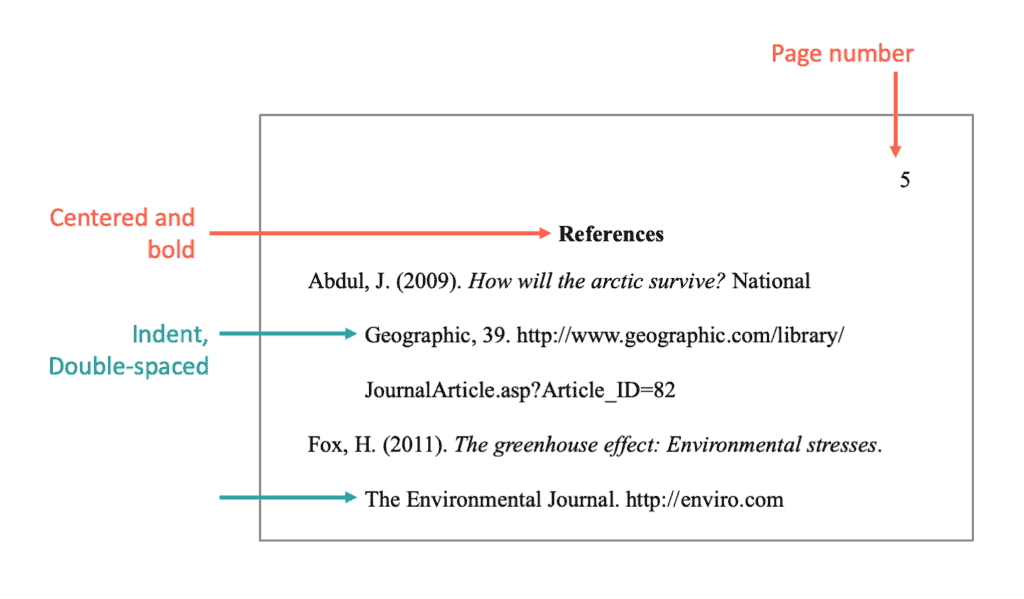
Hanging Indent: APA 7 requires references to have a hanging indent (first line flush left, subsequent lines indented).
Common Mistakes to Avoid
Mistakes in references are common, even for experienced writers. Being aware of the usual pitfalls can help you avoid them.
Common errors include:
-
Omitting the DOI for journal articles.
-
Mixing APA 6 and APA 7 rules.
-
Incorrect capitalization of titles (APA 7 uses sentence case for article and book titles).
-
Forgetting italics for book or journal names.
Resources and Tools
Even with guides and examples, having trusted resources at hand makes citing much easier.
Some useful tools and resources include:
-
Official APA Style Guide: https://apastyle.apa.org
-
Free Citation Generators: Citation Machine, Scribbr, ZoteroBib (always verify automatically generated citations).
-
University Writing Centers: Many universities offer step-by-step guides and templates for APA 7 references.
Conclusion
Citing sources correctly is an essential part of academic writing. By following APA 7 guidelines, using reference management tools, and practicing regularly, you can write papers that are both professional and credible.
Remember, the goal is to let your research shine, while making sure your sources are transparent, accurate, and easy for readers to trace.
Leave a Reply